

Pazar, 28 Aralık 2025
Futbolekonomi- 28 Aralık 2025 Yaklaşık 7.3 Milyar Euro’luk geliriyle Avrupa’nın ve dünyanın en fazla kazanan ligi Premier Lig’de oyunculara 2025-26 sezonu için ödenen ücretler 2.121.677.800 Sterlin’e (yaklaşık 2.4 Milyar Euro) ulaştı. Devamını oku...

Pazar, 28 Aralık 2025
Futbolekonomi-28 Aralık 2025 2025 yılında dünyanın en çok para kazanan futbolcusu belli oldu. Forbes’un listesine göre İspanya’dan 4, Suudi Arabistan’dan 3, İngiltere’den 2 ve ABD’den bir isim, 2025’in en çok kazanan 10 futbolcusu arasına girdi. Devamını oku...

Perşembe, 25 Aralık 2025
Tuğrul AKŞAR- 25 Aralık 2025 Aralık ayında FIFA Futbol menajerlerine ilişkin çok çarpıcı bir rapor yayınladı. Rapor bize çok farklı bir resim çiziyor… Devamını oku...

Çarşamba, 24 Aralık 2025
Futbolekonomi- 24 Aralık 2025 Pegasus Hava Yolları, dünya futbolunun önde gelen kulüplerinden Chelsea ile gerçekleştirdiği global ortaklıkla uluslararası marka yolculuğunda yeni bir sayfa açtı. Devamını oku...

Salı, 23 Aralık 2025
Dr.Tolga Genç- 23 Aralık 2025 Afrika Uluslar Kupası, sadece kıtasal bir spor organizasyonu değil, aynı zamanda küresel futbol ekonomisinin en dinamik vitrinlerinden biridir. Yazıda paylaşılan veriler, turnuvaya katılan ülkelerin ekonomik ağırlık merkezlerini, oyuncuların... Devamını oku...

Cuma, 19 Aralık 2025
Futbolekonomi 19 Aralık 2025 Manchester City'nin 2024/25 sezonu hesapları, Premier Lig'de üçüncü oldukları ve FA Cup finaline ulaştıkları, ancak sürpriz bir şekilde Crystal Palace'a yenildikleri bir sezonu kapsıyor. Devamını oku...

Çarşamba, 17 Aralık 2025
Prof. Dr. Sebahattin Devecioğlu - 17 Aralık 2025 Önceki yıla göre %50 artışla 655 milyon ABD doları tutarındaki en büyük pay, katılan 48 takım arasında aşağıdaki şekilde ödül parası olarak dağıtılacaktır: Şampiyonlar: 50 milyon ABD doları İkinci olanlar: 33 milyon ABD... Devamını oku...

Pazartesi, 15 Aralık 2025
Futbolekonomi- 15 Aralık 2025 Stadyum yenileme maliyetleri ve oyuncu maaşlarının sürekli arttığı bir dönemde, Avrupa kulüpleri ayakta kalabilmek için farklı bir sermaye türüne, yani özel krediye ve yapılandırılmış borca yöneliyor. Devamını oku...

Perşembe, 04 Aralık 2025
Futbolekonomi- 4 Aralık 2025 Milan'ın 2024/25 mali sonuçları sahada hayal kırıklığı olarak değerlendirilmesi gereken bir sezonu kapsıyor; ligde son on yılın en düşük sırası olan sekizincilik elde ederken, Coppa Italia finalinde Bologna'ya yenildiler. Devamını oku...

Perşembe, 04 Aralık 2025
Futbolekonomi -4 Aralık 2025 Real Madrid'in 2023/24 sezonu, kulüp açısından hedeften uzak bir sezon olarak değerlendirilebilir. Kulüp, La Liga'da ikinci olurken, Copa del Rey ve Supercopa de Espana finallerinde elendi ve üç kez de ezeli rakipleri Barcelona'ya yenildiler. Devamını oku...

Pazar, 30 Kasım 2025
Futbolekonomi-30 Kasım 2025 Son on yılda Avrupa futbolu köklü bir finansal dönüşüm geçirdi. Finansal Fair Play’in (FFP) yürürlüğe girmesinden yeni Finansal Sürdürülebilirlik Kuralları’na kadar UEFA, daha istikrarlı ve sorumlu bir futbol ekonomisi yaratmayı... Devamını oku...

Cuma, 28 Kasım 2025
Futbolekonomi- 28 Kasım 2025 Fenerbahçe Futbol A.Ş. % 400 Bedelli sermaye artırımına gideceğini KAP'a bildirdi. Devamını oku...

Pazartesi, 24 Kasım 2025
Futbolekonomi- 24 Kasım 2025 Premier Lig'de kulüpler geçen hafta toplanarak, Kârlılık ve Sürdürülebilirlik Kurallarından (PSR), kulüp gelirlerine dayalı harcama limitleri getiren yeni Kadro Maliyeti Kurallarına (SCR/SSR) geçişi oyladılar ve sistem buna... Devamını oku...

Çarşamba, 12 Kasım 2025
Futbolekonomi- 12 Kasım 2025 Bu sezon kaç stadyuma gideceksiniz? Taraftarların en çok keyif aldığı stadyumları sizler için derledik. Devamını oku...

Pazartesi, 10 Kasım 2025
Futbolekonomi-10 Kasım 2025Apollo Global Management, La Liga kulübü Atletico Madrid'in çoğunluk hissedarı oldu. Devamını oku...

Pazartesi, 10 Kasım 2025
Futbolekonomi- 10 kasım 2025 10 Kasım 2025 Barcelona, geçen Cuma günü taraftarların önünde Camp Nou'da antrenman yaptı. Devamını oku...

Pazartesi, 10 Kasım 2025
Futbolekonomi- 10 Kasım 2025 Inter 2024/25’te her ne kadar şampiyonlar Ligi finalini PSG’ne kaybetse de, genel olarak ekonomik ve finansal anlamda oldukça başarılı bir sezon geçirdi. Devamını oku...

 Kulüpler Ele Geçirilebilir mi?Müslüm Gülhan- 29 Aralık 2025 Günümüzde otoriter rejimler demokratik hayatın kurumlarını ve kültürünü geleneksel yöntemlerle bastırmayı değil, yumuşak güç stratejileri il... Devamı >> |
 Bir İğne de Spor Medyasına Batırma ZamanıÖmer Gürsoy-29 Aralık 2025 Hande Fırat’ın art arda kaleme aldığı “Şimdi İğneyi Batırma Zamanı” başlıklı iki yazı, yalnızca siyasi gazetecilik açısından de... Devamı >> |
 La Liga Medya Gelirlerini 102 Milyon Euro Nasıl Artırdı?Futbolekonomi- 27 Aralık 2025 La Liga başkanı, Kicker'a verdiği röportajda, bir yandan maçlar öncesinde ve sonrasında giderek daha ilgi çekici içerikler ür... Devamı >> |
 Üç Ayda Üç Başkan, Bir Kulüp: Gençlerbirliği’nin Kayıp ZamanıÖmer Gürsoy- 27 Aralık 2025 Gençlerbirliği’nde yaşananları anlamak için yorumdan önce kronolojiye bakmak gerekir. Çünkü bugün gelinen nokta, bir gecede oluşmadı. Aksine; her bi... Devamı >> |
 Sapkınlıktan Dokunulmazlığa Uzanan ÇizgiProf.Dr.Ahmet Talimciler- 26 Aralık 2025 Ülke gündeminin gerçekleştirilen operasyonlarla birlikte toz duman içinde kaldığı bir dönemin içerisinden geçm... Devamı >> |
Menajerler Kasada da, Sahada da Futbolu Ele Geçirdi!Tuğrul AKŞAR- 25 Aralık 2025 Aralık ayında FIFA Futbol menajerlerine ilişkin çok çarpıcı bir rapor yayınladı. Rapor bize çok farklı ... Devamı >> |
 FIFA 2026 Dünya Kupası Biletlerini Satarken, Kârını Maksimize Etme Amacı mı Güttü?Futbolekonomi- 24 Aralık 2025 FIFA'nın organize edeceği 2026 FIFA Dünya Kupası 11 Haziran 2026 tarihinde Meksika'nın Mexico City şehrindeki Azteca Stadyumu'nda başlayıp 19... Devamı >> |
 Sporda Yapay Zekânın Ekonomik EtkisiProf.Dr.Sebahattin Devecioğlu- 24 Aralık 2025 Yapay Zeka ve Spor Sektörü: 2025'te Yatırım Fı... Devamı >> |

 Manchester City'den 1 Milyar Sterlinlik 10 Yıllık Rekor Forma Sponsorluk AnlaşmasıFutbolekonomi- 19 Temmuz 2025 Manchester City, Puma ile forma anlaşmasını 10 yıl daha uzattı. Sözleşmenin en az 1 milyar sterlin değerinde ol... Devamı >> |
 Real Madrid 2024/25 Sezonunda 1,2 Milyar Euro Gelire UlaştıFutbolEkonomi - 18 Temmuz 2025 Real Madrid Kulübü Yönetim Kurulu’nun 17 Temmuz tarihindeki toplantısının ardından kulübün 2024/25 mali yılına ilişkin fi... Devamı >> |
 Süper Lig'de Gelirin Yarısı İlk Altı Kulübe GidiyorTuğrul AKŞAR-10 Haziran 2025- Galatasaray’ın şampiyonluğuyla tamamlanan Süper Lig’in 2024-25 sezonunda 19 kulübe toplam 3 Milyar 670 Milyon 975 Bin ... Devamı >> |
 2025 UEFA Şampiyonlar Ligi Finali Taraftarın Harcama Artışından Faydalanıyor…Futbolekonomi-3 Haziran 2025 Mastercard Ekonomi Enstitüsü'nün hazırladığı rapora göre, futbol turnuvalarında özellikle finaller ev sahibi ülkelere önemli ekonomik avantajlar sağlıyor. Futbolseverlerin 2025 UE... Devamı >> |
 Sporda Lüks EkonomisiSebahattin Devecioğlu- 13 mayıs 2025 Modern spor endüstrisi rekabetin ötesine geçerek prestij, ayrıcalık ve lüksün önemli roller oynadığı bir manzaraya dö... Devamı >> |
 Milli Takım Katkısının Karşılığı: UEFA’dan Kulüplere 233 Milyon EuroFutbolekonomi- 19 Nisan 2025 UEFA, 2020/21 ve 2022/23 UEFA Uluslar Ligi, 2022-2024 Avrupa Şampiyonası Elemeleri ve EURO 2024 Finalleri için oyuncularını ... Devamı >> |
 Futbolun Para Liginde Lider Kim?Bora Yargıç-25 Mart 2025 "Futbol para ligi" ifadesi, Türkçede "futbol para ligi" anlamına gelir ve genellikle futbol kulüplerinin finansal durumlarını de... Devamı >> |

 Premier Lig 2025-26 Sezonu İçin Oyunculara 2.1 Milyar Sterlin Ücret ÖdediFutbolekonomi- 28 Aralık 2025 Yaklaşık 7.3 Milyar Euro’luk geliriyle Avrupa’nın ve dünyanın en fazla kazanan ligi Premier Lig’de oyunculara 2025-26 se... Devamı >> |
Yılın En Fazla Kazanan Futbolcusu 280 Milyon Dolarlık Geliriyle Cristiano Ronaldo OlduFutbolekonomi-28 Aralık 2025 2025 yılında dünyanın en çok para kazanan futbolcusu belli oldu. Forbes’un listesine göre İspanya’dan 4, Suudi Arabistan’dan 3, İn... Devamı >> |
2024-25 Sezonu Kasada ve Sahada Manchester City İçin Kötü GeçtiFutbolekonomi 19 Aralık 2025 Manchester City'nin 2024/25 sezonu hesapları, Premier Lig'de üçüncü oldukları ve FA Cup finaline ulaştıkları, ancak sürpriz bi... Devamı >> |
Futbolda Özel Kredi Borçlanması ArtıyorFutbolekonomi- 15 Aralık 2025 Stadyum yenileme maliyetleri ve oyuncu maaşlarının sürekli arttığı bir dönemde, Avrupa kulüpleri ayakta kalabilmek için farklı bi... Devamı >> |
 AC Milan, Inter ve Juventus Finansal Tabloları KarşılaştırmasıFutbolEkonomi – 12 Aralık 2025 Bu yazı, Football Benchmark’te yayımlanan ve La Gazzetta dello Sport yazarı Marco Iaria tarafından kaleme alınan analizden yararlanılarak Türkçeye çevrilmiştir. Ça... Devamı >> |
Milan 2023-24'te Sahada da Kasada da Başarısız Bir Sezon GeçirdiFutbolekonomi- 4 Aralık 2025 Milan'ın 2024/25 mali sonuçları sahada hayal kırıklığı olarak değerlendirilmesi gereken bir sezonu kapsıyor; ligde son on yı... Devamı >> |
Real Madrid İçin 2024 Kasada Kazanılan; Sahada İse Kaybedilen Bir Sezon OlduFutbolekonomi -4 Aralık 2025 Real Madrid'in 2023/24 sezonu, kulüp açısından hedeften uzak bir sezon olarak değerlendirilebilir. Kulüp, La Liga'da ikinci ol... Devamı >> |
 UEFA’nın Finansal Sürdürülebilirlik Kuralları Kulüp Kârlılığını Artırmaya Yardımcı Oluyor mu?Futbolekonomi- 30 Kasım 2025 UEFA, Avrupa futbolunda finansal disiplini güçlendirmek için Finansal Fair Play’i (FFP) 2010 yılında ilk kez tanıttı. Pe... Devamı >> |

 Olympique Lyonnais Finansal Nedenlerle İkinci Lige DüşürüldüFutbolekonomi - 25 Haziran 2025 Fransız futbolunda tarihi bir kırılma yaşanıyor: Fransa’nın köklü kulüplerinden Olympique Lyonnais, finansal nedenlerle ikinci lige düşürüldü.... Devamı >> |
 Kurlar Artıyor, Kulüpler Batıyor!Tuğrul Akşar- 17 Aralık 2021 Ekonomik konjonktürdeki olumsuzluklar döviz karşısında TL’yi iyice eritirken, kurlardaki artışlar da kulüpleri vurmaya devam ed... Devamı >> |
 Kulüpler Finansal KrizdeTuğrul Akşar- 5 Ekim 2021 Futbol kulüplerinin 31/5/2021 itibariyle finansal tabloları kısa bir süre önce açıklandı. Kamuoyuyla paylaşılan finansal tablolar, ... Devamı >> |
 Asırlık Derby County Batmak ÜzereFutbolekonomi- 20 Eylül 2021 İngiliz futbolunun en eski kulüplerinden, 1888'de İngiliz Futbol federasyonu' nun kurulmasında yer alan on iki kulüpten birisi ol... Devamı >> |
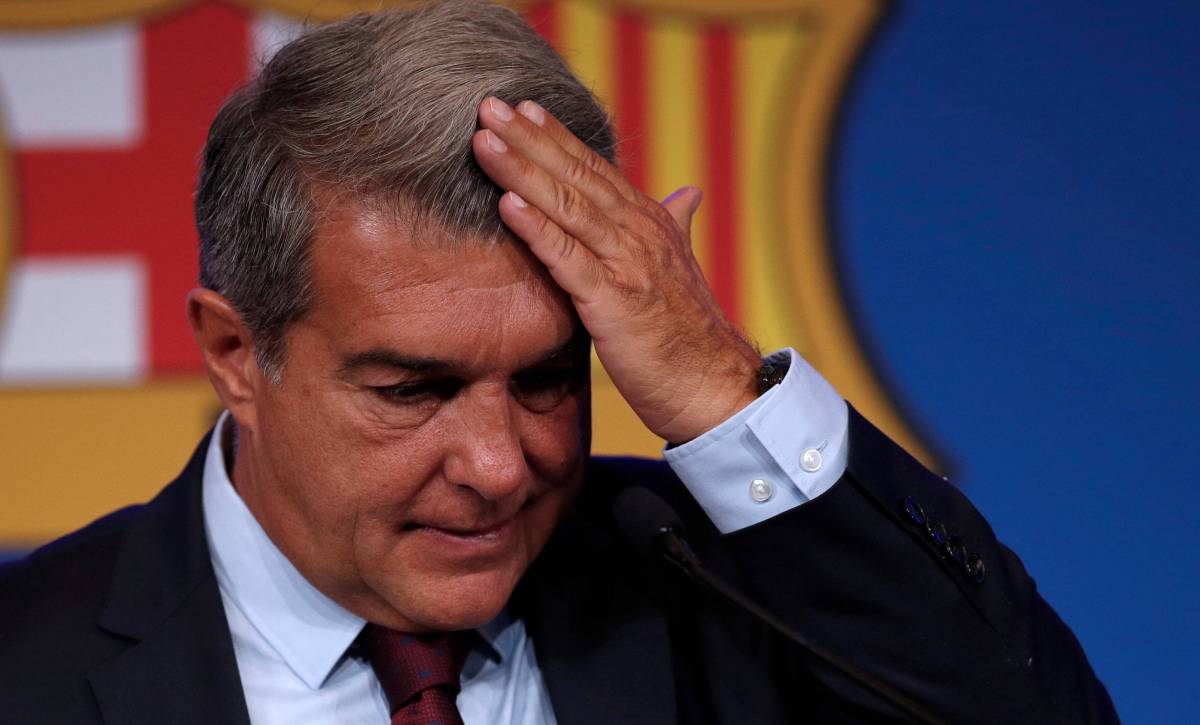 Barcelona Borcu 1.35 Milyar Euro'ya UlaştıMadrid (AP) – Barselona Başkanı Joan Laporta, Messi’nin PSG’ye transferi sonrası düzenlediği basın toplantısında kulübün içinde bulunduğu finansal durumu tüm ... Devamı >> |
 Kulüpler Birliği'nden TFF'ye 4 maddelik ihtar: "Maçlara çıkmayız"9 Temmuz 2021- Kulüpler Birliği Vakfı, yapılan toplantı sonrasında Türkiye Futbol Federasyonu'na (TFF) 4 maddelik bir talep listesi gönderdi. Bunların yapılmaması halinde maçlara çı... Devamı >> |

 Bahisçi Hakemler Dosyasındaki Hukuka AykırılıklarAv.Mert Yaşar- 9 Kasım 2025 Türkiye Futbol Federasyonu Başkanı İbrahim Hacıosmanoğlu “371 hakemin bahis hesabı bulunduğu ve 152’sinin aktif olarak ba... Devamı >> |
 Adaletin Bahsi Olmaz: Hakem Skandalı Futbolun Temelini SarsıyorAv. Mustafa Batmaz - 27 Ekim 2025 Türkiye Futbol Federasyonu Başkanı İbrahim Hacıosmanoğlu’nun bu hafta başı yaptığı açıklamalar, Türk futbolunu de... Devamı >> |
 Meşhur “Platini Davası”: Astarı Yüzünden Pahalı!Av. Dr. Aytekin Gürbüz [1] - 25 Ekim 2025 Dünyaca ünlü eski futbolcu Platini’nin belirli bir dönem futbol ile ilişkili faaliyetlerden ya... Devamı >> |
 Finansal Fair Play’in Gri Alanı: İmaj Haklarıyla Gizlenen MaaşlarAv.Mustafa Batmaz- 13 Ekim 2025 Son günlerde Türk futbol kamuoyunu gündeminde fazlasıyla yer alan Kerem Aktürkoğlu’nun sözleşme detayları, bu sözleşmenin na... Devamı >> |
 Futbolda Gizli Sözleşme Dönemi Bitiyor mu?Avukat Alpay Köse- 12 Ekim 2025 Futbol sahası artık yalnızca 105x68 metreden ibaret değil. Oyun artık kâğıt üzerinde, sözleşme satır ar... Devamı >> |
 Sporcu ve Teknik Adam Sözleşmesinin Feshedilmesi Karşılığında Yapılan Ödemelerin Ücret Niteliği ve VMurat Başaran- 17 Eylül 2025 Spor faaliyetleriyle uğraşan dernek/iktisadi işletme ve anonim şirketler, özellikle ve yüksek hacimli olduğu için profesyonel futbol fa... Devamı >> |

Premier Lig'de Finansal Dönüşüm: PSR'den SCR'ye GeçişFutbolekonomi- 24 Kasım 2025 Premier Lig'de kulüpler geçen hafta toplanarak, Kârlılık ve Sürdürülebilirlik Kurallarından (PSR), kulüp gelirlerine dayalı harcama limitleri getiren ... Devamı >> |
 Kadın Futbolunda Yükselen Yönetici Profili: WSL’in Dönüşen Liderlik YapılarıFutbolEkonomi - 16 Kasım 2025 Bu çalışma, Football Benchmark’ın “The Rise of Women’s Football Executives: Inside the WSL’s Evolving Leadership Structures” ba... Devamı >> |
 Avrupa Futbolunun Gizli Patronları CEO'larFutbolekonomi-15 Eylül 2025 Modern futbol, sahada olduğu kadar yönetim kurulunda da şe... Devamı >> |
 Futbolun Beyni Sportif Direktörlük (2)Tuğrul AKŞAR- 10 Ağustos 2025 Yazımızın ikinci ve son bölümüne devam ed... Devamı >> |
 Futbolun Beyni Sportif Direktörlük (1)Tuğrul Akşar- 3 Ağustos 2025 Son zamanlarda sportif direktör sözcüğünü futbolda sıkça duymaya başladık, özellikle de elit kulüplerde. Bu kapsamda hem ... Devamı >> |
 Şirketleşme Yolunda Futbol Kulüpleri: Umut mu, Tehlike mi?Bora Yargıç - 12 Temmuz 2025 Son yıllarda Türk futbol kulüpleri, artan borç yükleri ve finansal zorluklar karşısında çözüm arayışına gi... Devamı >> |
En Çok Okunanlar
- Futbolda Diziliş ve Sistemler Üzerine (Teori ve Pratik) -2-
- Şampiyonluğu Kazanan Milyonları da Kazanıyor
- Futbolun Tarihsel Gelişimi
- Futbol Oyun Kurallarının Tarihsel Gelişimi
- Kesin Ofsayt (!) Tarihçesi…
- UEFA Kulüplere Yapılacak başarı Ödüllerini Artırdı
- Tüm Yönleriyle Spor (Futbol) Sektöründe Sponsorlük ve Vergi Uygulamaları:
- Türkiye'ye UEFA'dan Puan Darbesi
- Türk Futbol Kulüplerinin Finansal Yeniden Yapılanması ve Yönetişimsel Sorunlarına Çözüm Önerileri
- Dört Büyüklerin Geliri 1 Milyar TL, Borçları 1 Milyar Dolar
Ekonomi
- Manchester City'den 1 Milyar Sterlinlik 10 Yıllık Rekor Forma Sponsorluk Anlaşması
- Real Madrid 2024/25 Sezonunda 1,2 Milyar Euro Gelire Ulaştı
- Süper Lig'de Gelirin Yarısı İlk Altı Kulübe Gidiyor
- Süper Lig'de Gelirin Yarısı İlk Altı Kulübe Gidiyor
- 2025 UEFA Şampiyonlar Ligi Finali Taraftarın Harcama Artışından Faydalanıyor…
Yönetim
Mali
|
The Economist 18 January 2016 -If on the opening day of the 2015-16 English Premier League (EPL) season, you had marched into your local bookmaker and bet on lowly Leicester City to sit at the top of the division on Christmas Day, you would have elicited a chuckle from other wizened punters in the shop. The 1,500-to-one odds on your ticket might not have seemed long enough. The Foxes spent more time in last place than any other side last season, escaping the relegation zone (the bottom three places, from which teams get demoted to a lower division) with barely a month left to play. Of the 20 teams in the league, only the three promoted from the Championship, English football’s second tier, were given a slimmer chance than Leicester’s 5,000-to-one hope of winning the competition.
If you had placed another wager on Chelsea, the reigning champions, to be in 15th place come Yuletide, the giggles would have swelled to guffaws. Last season’s Blues were the first team in EPL history to lead the league wire to wire: they held at least a share of first place every day from start to finish. They were often compared to the unbeaten Arsenal “Invincibles” side of 2003-04 and Manchester United’s treble-winning squad of 1998-99, albeit without emulating either feat. In fact, most gambling companies wouldn’t have offered the bet: you could have taken 250 to one for Chelsea to finish in the bottom half, or 7,500 to one for the club to be relegated. Perhaps a generous bookie might have staked a mere 1,000 to one against Chelsea dropping into the bottom six in the depths of December.
The derision would have been worth it. Chelsea’s champions, who have won 50 major domestic and European titles between them, have looked like novices this season, and sit just three places above the relegation zone as the league approaches its halfway point. Their manager, José Mourinho—renowned not only for his success but for his unshakeable self-confidence—was sacked on December 17th after breaking the unenviable record of the worst season-to-season decline in the history of top-flight football in England. Leicester’s squad, many of whom are graduates of the lower English leagues, possess only three major medals in their collective cabinets. Yet contrary to everyone’s expectations, they have played like seasoned winners, exposing the vulnerabilities of more favoured opponents with swift and clinical attacks, and have risen to the top of the table—the position that they will hold on Christmas Day.
There could be no neater demonstration of the two sides’ opposite trajectories than their meeting on December 14th at Leicester’s King Power Stadium. The hosts’ opening goal came after half an hour, just as the commentators had begun to wonder when they might see “a signature counter-attack from Leicester City”. In the ensuing ten seconds, the home side muscled Chelsea off the ball in midfield, carried it deep into the final third, and worked it past the visitors’ defence into the back of the net. It was a timely reminder of Leicester’s offensive efficiency, and was engineered by two of the club’s key players, both of whom have their own rags-to-riches tales. The lofted assist into the box was provided by Riyad Mahrez, an Algerian winger whom Leicester plucked from the obscurity of the French second division—and who is currently second in both the Premier League’s assist and goal charts. His cross was volleyed in by Jamie Vardy, a striker who looked destined for a career in the semi-professional divisions until Leicester signed him four years ago; he recently broke the league record for the longest streak of scoring in consecutive games. Chelsea’s captain, John Terry, had allowed the pass to reach Mr Vardy, in an error that would have been unthinkable for such a reliable defender just months ago. But this season such mistakes have become typical for the Blues’ back four. No eyebrows were raised when Mr Terry, a member of the 2014-15 Professional Footballers’ Association’s Team of the Year, was hauled off by Mr Mourinho early in the second half, shortly after Mr Mahrez had fired in a fine second goal.
The match remained interesting, as Chelsea rallied and scored themselves. But they were unable to overturn the 2-1 deficit, leaving the Foxes just one victory away from guaranteeing the top spot at Christmas, an opportunity which they duly took by beating Everton 3-2 on December 19th. For Mr Mourinho, it was the straw that broke the camel’s back, made even harder to bear by the fact that Leicester’s coach is Claudio Ranieri—the man whom Chelsea dismissed in 2004 to make way for Mr Mourinho’s first spell at the club.
Leicester’s improbable rise and Chelsea’s unprecedented fall have certainly been the biggest shocks of the 2015-16 season. But they are far from the only ones. Plucky West Ham have beaten Arsenal (at odds of 11 to one), Manchester City (11 to one) and Liverpool (eight to one) away from home. In the last fortnight, tiny Bournemouth have vanquished Manchester United and Chelsea, whilst struggling Newcastle have beaten both Tottenham and Liverpool—combinations that according to bookmakers were respectively 3% and 2% likely. Perhaps the only predictable feature of the Premier League in 2015-16 has been the regularity with which pundits have described it as the most unpredictable season ever. According to the betting lines, 42 of 160 games (26%) thus far have been won by the underdogs; since the turn of the century, no Premier League season has ended with the unfavoured teams winning more than 23% of matches (see chart below).
The rate of upsets may yet fall away as the season unfolds. But it certainly seems that the gap in ability between the best and the rest has shrunk in 2015-16. One way of measuring this is with an Elo system, a simple points-exchange mechanism developed by the physicist Arpad Elo for chess and now used in many sports. It awards credit to the winner of a match and subtracts it from the loser, taking into account the strength of competition, final score, home-field advantage and importance of the contest. A paper published in 2013 by mathematicians from the Universities of Warsaw and Amsterdam found that Elo is better at predicting international football outcomes than the world rankings produced by FIFA, the sport’s global administrating body. And when applied to the Premier League, Elo confirms the popular narrative. The standard deviation of the division’s Elo scores measures how tightly distributed teams’ strengths are: the smaller that number is, the closer the twenty teams’ rankings are to each other. This year’s mark is the lowest the indicator has been at this point in the season since 2003-04 (see chart above).
This year’s topsy-turvy league table should be a welcome sight for the EPL, which has long been dominated by a handful of rich clubs: in the past decade, only six different sides have finished in the top four positions, from which teams qualify for the Champions League, Europe’s most prestigious competition. But half a season of unusual parity is well within the range of random fluctuation, and the ascent of Leicester and collapse of Chelsea do not necessarily mean that the lords of the Premiership should rest easy. Whether the league’s competitive-balance woes have really come to an end or are merely on a brief, welcome hiatus depends mainly on whether there is any lasting structural change that could account for a shrinking gap between haves and have-nots.
The first place to hunt for explanations is money. In February the EPL signed a new television deal worth £5 billion ($7.5 billion) per year. These revenues will be distributed fairly evenly among clubs: the champions will receive around £150m, and the worst performer £99m. In contrast, in Spain’s La Liga, the two leading teams gobble up about half of the entire league’s broadcast income. This arrangement could certainly explain why English teams as a group might improve relative to other leagues. But it cannot account for greater parity within the EPL, because the payout formula has not changed. The Premiership’s relatively egalitarian split of television revenues was fixed in 1991 and has never budged; clubs are simply receiving the same share of a larger pie.
Another potential factor is Financial Fair Play (FFP), a European scheme to prevent rich owners from buying championships by pouring unlimited wealth into loss-making clubs. In theory, FFP should improve competitive balance by shrinking the budgets of teams owned by billionaires. In practice, it has simply frozen the pre-existing hierarchy in place. Clubs that have already built up large non-television revenue streams—primarily Arsenal, Liverpool, Chelsea and the two Manchester teams—remain free to invest the cash they receive from merchandise and ticket sales in player acquisitions, while their weaker rivals no longer can hope to enter the top tier by finding a profligate patron. Just four of the EPL’s 20 clubs—Liverpool, Chelsea, Manchester United and Manchester City—accounted for roughly half of this year’s summer transfer spending.
So the explanations for the surprising results are more likely to be found on the football pitch itself than in clubs’ account books. One measure of performance suggests that the yawning gap in the league table between Chelsea and Leicester City may overstate the difference in how well the two sides have played. Although shooting and disrupting opponents’ shots are vital skills in football, in many cases the outcome of a shot is all but predetermined: even Cristiano Ronaldo is unlikely to have much success launching shots from the halfway line, and even an amateur player might score on a decent share of chances fired directly in front of the goal.
A popular statistic that evaluates the quality of a team’s shots and those of its opponents is “expected goals” (xG), which estimates how many goals an average EPL team would have scored and conceded given the location of each shot in its matches, as well as the type of attack in which it occurred and the kind of pass that led to it. Teams with outstanding strikers will tend to score more often than their average shot quality would suggest, and those with top-notch defenders and goalkeepers will tend to allow fewer. Nonetheless, very large differentials between actual and expected goals can be hard to sustain. And according to the xG model published by Michael Caley, a football blogger, both of this season’s most surprising clubs have sharply diverged from expectations: Leicester City have scored 46% more goals than their shot quality would indicate, and Chelsea have allowed 68% more goals than their opponents’ shots would usually generate. Some of the blame for the latter showing must rest with Chelsea’s goalkeepers. But in their defence, they have had the misfortune to face some exceedingly well-executed shots, such as Steven Naismith’s final two goals in the team’s 3-2 defeat to Everton, Marko Arnautovic’s acrobatic winner in a 1-0 loss to Stoke, and both of West Ham’s goals in a 2-1 defeat. Mr Mahrez’s outrageous curled strike against them for Leicester was the latest in a series of unlikely winners. It is highly unlikely that Chelsea’s rivals will continue to deliver the ball to precisely the right spot in the net under such challenging conditions with this frequency.
On the other hand, such flukey differences cannot come close to accounting for all of the turmoil in the EPL this season. Even if one were to re-calculate the standings using expected rather than actual goals, the current table would still look like none other in recent memory. The other engine of unpredictability this season appears to be an acceleration of the never-ending cycle of innovation, in which clubs devise new strategies to exploit opponents’ weaknesses, and their rivals respond with counter-tactics designed to neutralise these methods that make them vulnerable to different ones, leaving the process to begin anew.
There is no single “right” or “best” way to play football: different championship teams have deployed virtually all of the common strategies in the sport over the years. But this equivalence does not mean that tactical choices don’t matter. Much of the skill in managing lies with devising the scheme that maximises the impact of the strengths of a specific group of players while minimising the costs of their weaknesses. As squads turn over and players develop and age, clubs must either adjust their strategies to a new mix of talent, or recruit new blood that is well-suited to their existing approach. And in the Darwinian maelstrom that is the EPL, Leicester City seems to have mastered the “adapt or die” mantra, while Chelsea is falling victim to it.
Chelsea’s 2014-15 squad took a methodical path to a title. They moved the ball forward step by step with crisp, precise passing, keeping it out of their opponents’ hands for as long as possible and trying to route it to the sides of the pitch where Eden Hazard, an exceedingly creative winger, could dribble through traffic towards the penalty area. Using figures provided by the sports-data agency Opta, Dan Altman, the founder of the football-statistics firm North Yard Analytics (and a former journalist for The Economist), calculates that Chelsea’s non-header shots from open play followed attacks in which they advanced the ball at just 3.9 metres (13 feet) per second (m/s) last year, the second-slowest pace in the EPL. However, their players were so skilled that they frequently managed to slip the ball between opposing defenders and fire off shots from close range: on average, their chances came closer than 20 metres from goal, which was better than all but three teams in the division. Mr Altman estimates that a typical team would score on a healthy 10.5% of the club’s shots (excluding headers) last season.
But half a year can prove an eternity in the demanding world of top-flight football. Mr Mourinho asks more of his core players than any other coach in the game: last year his top ten regulars were on the pitch in over 80% of the minutes in EPL and Champions League competition, by far the highest mark over the past five seasons. In recognition of their heavy workload, he started training two weeks later this year. But Chelsea failed to bring in any new everyday players during the summer transfer window who might have been better-rested, and the shortened preseason may not have given his stars enough time to get back into form. Mr Mourinho stuck to his slow-paced guns this year, crawling up the field at a snail’s pace of 3.5 m/s. His players, however, have been far less successful at carving up opposing defences: their average shot this year has been launched 1.8 metres further from the goal. Other attributes of their shots, such as the angle and likely defensive pressure, have also been inferior. According to Mr Altman, a normal EPL club would sneak just 6.5% of those attempts past the keeper, tied for the worst shot quality in the league.
In contrast, while Chelsea nearly stood still during the transfer period, Leicester City went shopping for the missing piece of the puzzle for a strategy built around lightning-quick counter-attacks. Mr Vardy’s ability to out-run defenders was already clear, and the club had tried to cash in on this strength by aiming to push the ball up the pitch as fast as possible: their average advancing speed of 4.9 m/s ranked fourth in the EPL last season. However, their lack of a quality distributor of the ball in the middle of the park meant that they often failed to pick out their forward runners on counter-attacks, preventing them from obtaining precious break-away chances.
What Leicester City needed was a disruptive midfielder willing to gamble on intercepting passes and aggressive tackles, so that opponents would be caught in transition and unable to set up their defences before Mr Vardy blew past them. And they found the perfect fit in N’Golo Kanté, an uncapped Frenchman previously employed by SM Caen, the fastest-paced team in continental Europe. Transferring Mr Kanté cost them just €9m ($9.8m), and he has already justified that investment many times over. He currently leads the league in interceptions, and Mr Altman calculates that when he touches the ball in the middle or back of the pitch, shots on the subsequent attack are 70% likelier to yield a goal than when he isn’t involved.
Chelsea and Leicester City may lie at two opposite extremes of pace and style, but they are indicative of a broader league-wide trend. As recently as last year, there appeared to be a clear trade-off in EPL football between speed on one side and penetration on the other. Teams that moved the ball quickly upfield—led by the three relegated sides, Burnley, Queens Park Rangers and Hull City—tended to settle for chances far from the goal that were unlikely to yield a score, whereas more plodding clubs like Chelsea could take the time to identify weak spots and probe closer to their target. In statistical terms, the correlation between pace and average shot distance was 0.35 (where one is a perfect relationship and zero is none whatsoever). But during this season, that link seems to have been broken: some quick teams, like Leicester City or Newcastle United, are also among the league leaders in shortest shot distance, whereas some slower ones, such as Chelsea or Swansea City, have struggled to get close to goal at all. The overall correlation has now fallen to a virtually nonexistent 0.06. This suggests that a handful of clubs have managed to come up with new strategies that their opponents have not yet figured out how to counter—a new source of variance among clubs (in addition to raw player quality) that may be one cause of the EPL’s increasing unpredictability.
With less than half the season played, there is more than enough time for this pattern to reverse. Against Leicester City, midfielders should eventually learn to swarm quickly around Mr Kanté and his central partner Daniel Drinkwater, thereby cutting off the supply of direct passes up-field and giving the defence more time to deal with the twin threats of Mr Vardy and Mr Mahrez. Slowing down the Foxes is the key to beating them, as it neutralises the value of their strikers’ speed and forces them to make far more passes than they would prefer: for example, following an interception 60 metres from the opposing goal, Mr Altman calculates that Leicester City will score around 2% of the time if they pass the ball 60 metres on their counter-attack, but just 0.5% of the time if they pass it 90 metres, and a mere 0.1% following 120 metres’ worth of passing. Now that Leicester City have a firm hold on the league lead, opposing coaches will surely pay more attention to reining in their dangerous midfielders in the season’s second half. As for Chelsea, Mr Mourinho's successor—which will be the Dutch coach Guus Hiddink on an interim basis, a role which he has performed for the Blues before—will probably try to reduce the team’s reliance on Mr Hazard by varying the speed and direction of its attacks. He could also hope to dip into the pocket of the club’s billionaire owner, Roman Abramovich, and acquire reinforcements during the January transfer window.
Given the magnitude of Leicester City’s advantage over hapless Chelsea so far, such a sharp reversal might seem unlikely. But Mr Caley still believes that Chelsea are the better team: his projections published after the sixteenth round of games, which are based on a team’s current ability to produce and prevent chances and are regressed towards prior performances, give the Blues an additional 38.5 points over the season’s final 22 games, compared with just 29.8 for Leicester City. That would still leave Leicester City comfortably ahead for the whole season, with 64.8 total points to 53.5 for Chelsea, but just barely in the top four. Mr Caley’s model is sufficiently unimpressed with the Foxes’ breakout that it assigned them just a 2% chance of holding onto their lead by season’s end, and sufficiently undisturbed by Chelsea’s collapse that it gives them a mere 1% chance of relegation. Mr Hiddink’s fight for Premier League survival has certainly started well, with a 3-1 victory over fellow strugglers Sunderand on December 19th, even as the Chelsea fans chanted the name of their beloved former coach, and jeered the players—some of whom have been accused of deliberately underperforming to get Mr Mourinho sacked. Current betting lines back them to rediscover their form: at the time of writing, bookmakers give Chelsea a 40-to-one (2.5%) chance of relegation. After beating Everton in their 17th match, Leicester’s odds of a fairy-tale title win have been cut to 13 to one (7%). So if you were to march into your local betting shop today with two more wagers on these clubs in the same direction, the odds would still be heavily stacked against you. But the mirth from the seasoned gamblers would surely have disappeared.
CORRECTION: An earlier version of this post incorrectly listed the first name of Steven Naismith, a midfielder for Everton, as Kevin.{jcomments on} http://www.economist.com/blogs/gametheory/2015/12/competitive-balance-football?zid=319&ah=17af09b0281b01505c226b1e574f5cc1
|



 Paylaş
 Paylaş


Son Yayınlananlar
- Kulüpler Ele Geçirilebilir mi?
- Bir İğne de Spor Medyasına Batırma Zamanı
- Premier Lig 2025-26 Sezonu İçin Oyunculara 2.1 Milyar Sterlin Ücret Ödedi
- Yılın En Fazla Kazanan Futbolcusu 280 Milyon Dolarlık Geliriyle Cristiano Ronaldo Oldu
- La Liga Medya Gelirlerini 102 Milyon Euro Nasıl Artırdı?
- Üç Ayda Üç Başkan, Bir Kulüp: Gençlerbirliği’nin Kayıp Zamanı
- Sapkınlıktan Dokunulmazlığa Uzanan Çizgi
- Menajerler Kasada da, Sahada da Futbolu Ele Geçirdi!
- FIFA 2026 Dünya Kupası Biletlerini Satarken, Kârını Maksimize Etme Amacı mı Güttü?
- Sporda Yapay Zekânın Ekonomik Etkisi
Yazarlarımızın Son Yazıları








Kimler Sitede
Şu anda 1059 konuk çevrimiçiİstatistikler
İçerik Tıklama Görünümü : 55345982


|
Yazılarınızı info@futbolekonomi.com adresine gönderebilirsiniz. |

